Designed the Web3 education app behind 10,000+ downloads
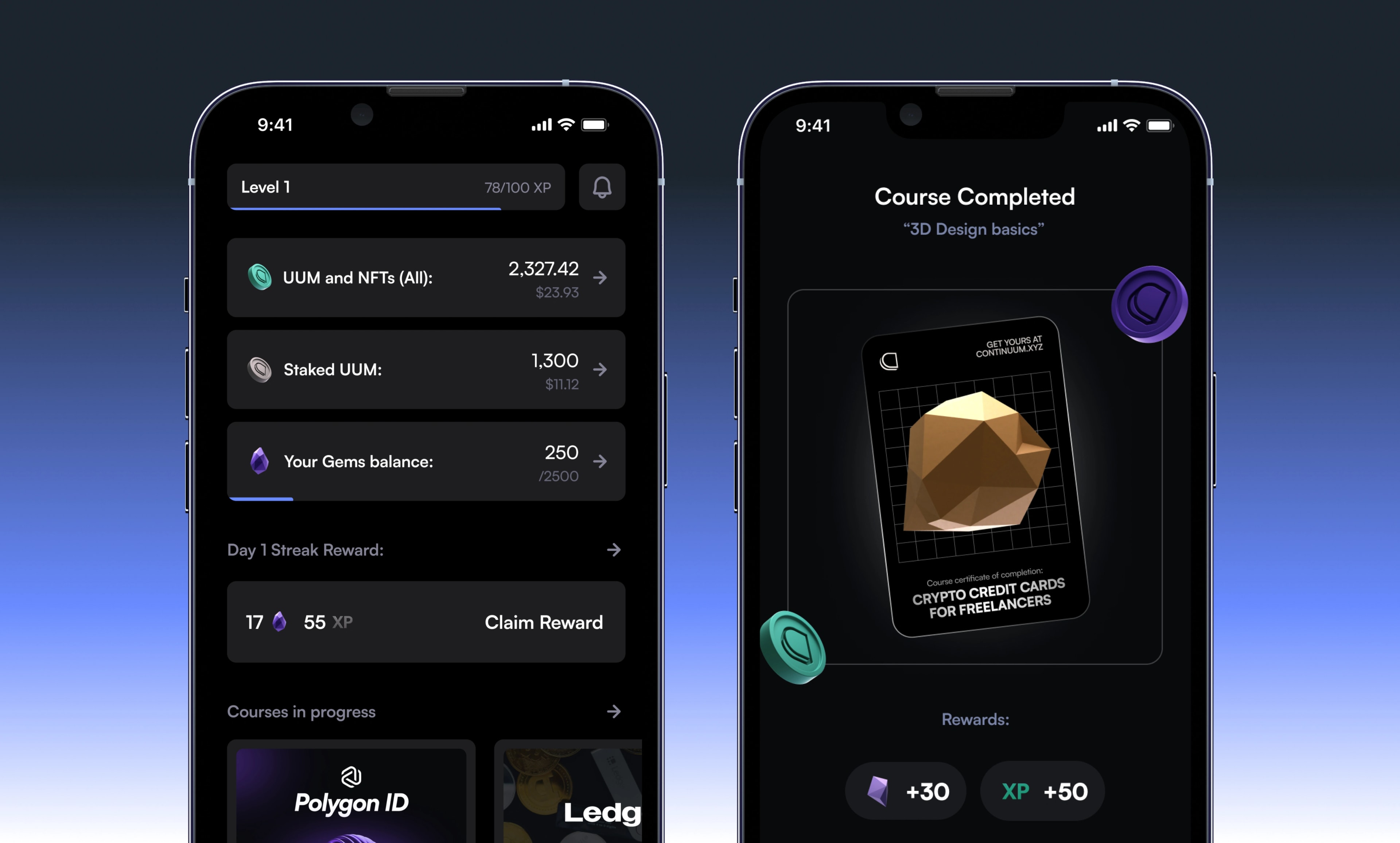
Learn-to-earn products fail in one of two ways: nobody shows up, or everybody farms the rewards and nobody learns.
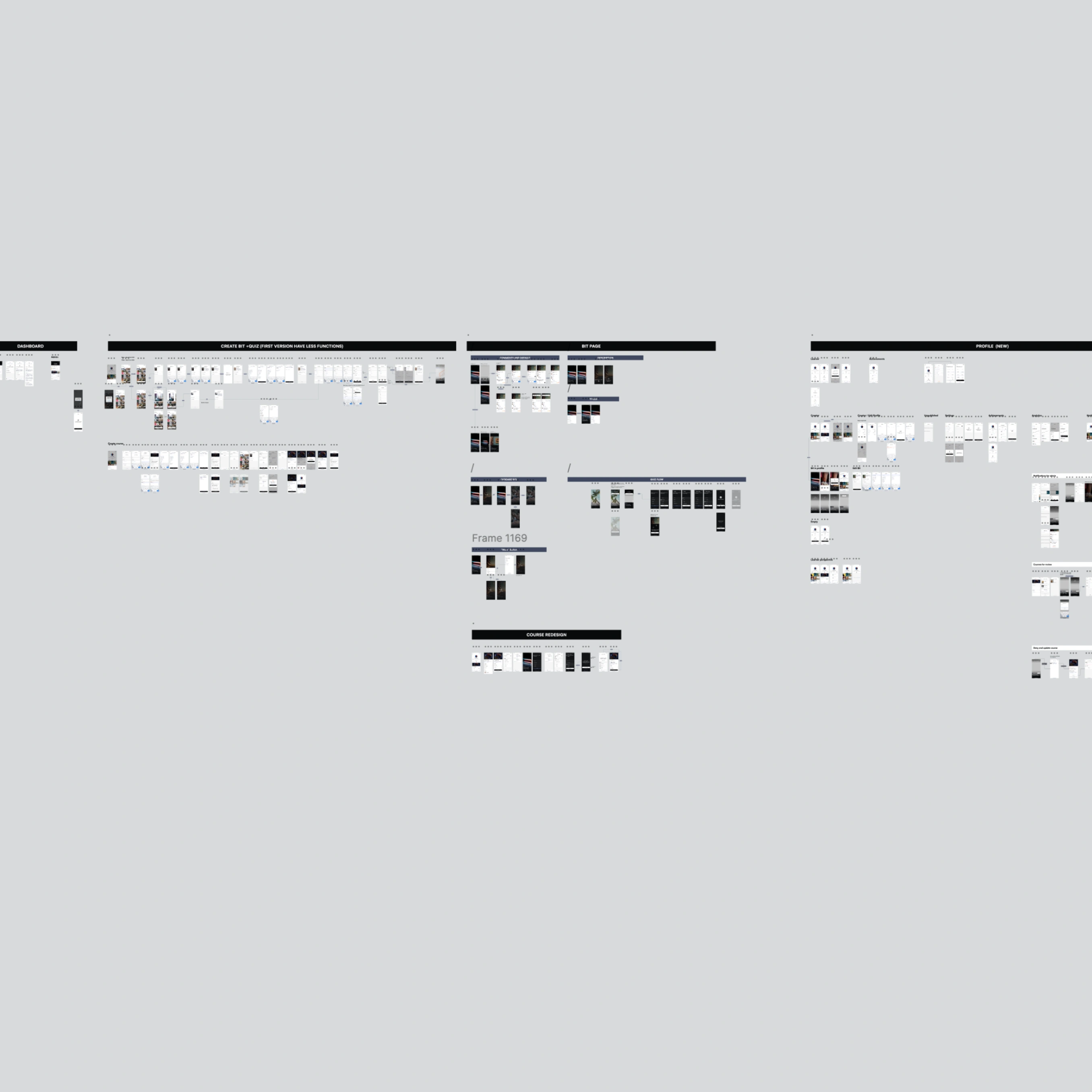
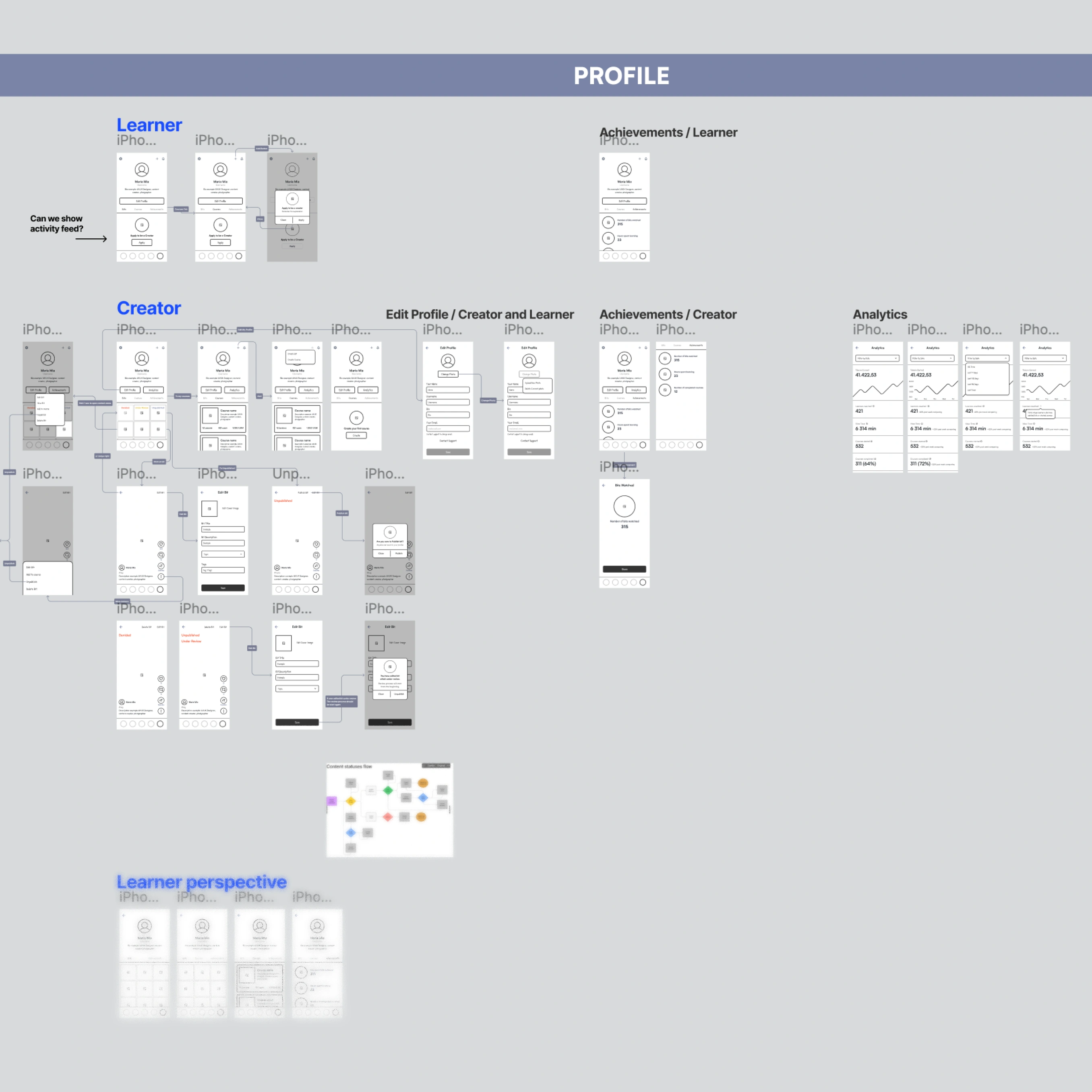
Continuum came to us with a concept and no product. We designed the app end to end – architecture, flows, visual system, and every screen across iOS and Android – then stayed on to iterate against real usage data.
The audience wasn't crypto-native. Freelancers, creators, and remote workers came for the earning and stayed only if the learning felt effortless. Wallets, tokens, and NFTs had to work for someone whose reference point is TikTok, not Etherscan.
So the real design problem was never "how do we teach Web3." It was: how do we make people finish the course.
- Client:Continuum
- Services:Product Design · iOS & Android App · Website Design · Design System · NFT Design · Deck Design
- Timeline:2022 – 2023
- Category:Web3 education / Consumer crypto


“Our collaboration with Sollas has been quite the revelation. They managed to transform our concepts into tangible designs, which in itself was an astonishing feat... We were able to make 16 iterative changes that brought us closer to achieving product-market fit.
The results speak for themselves: 65.5% MAU/WAU stickiness, and a whopping 198% growth... Sollas took ownership of the project and desired results”



Working alongside Octalysis — the team behind the industry's most-used gamification framework — we mapped the live user journey against core motivation drivers and rebuilt the steps where people dropped off.
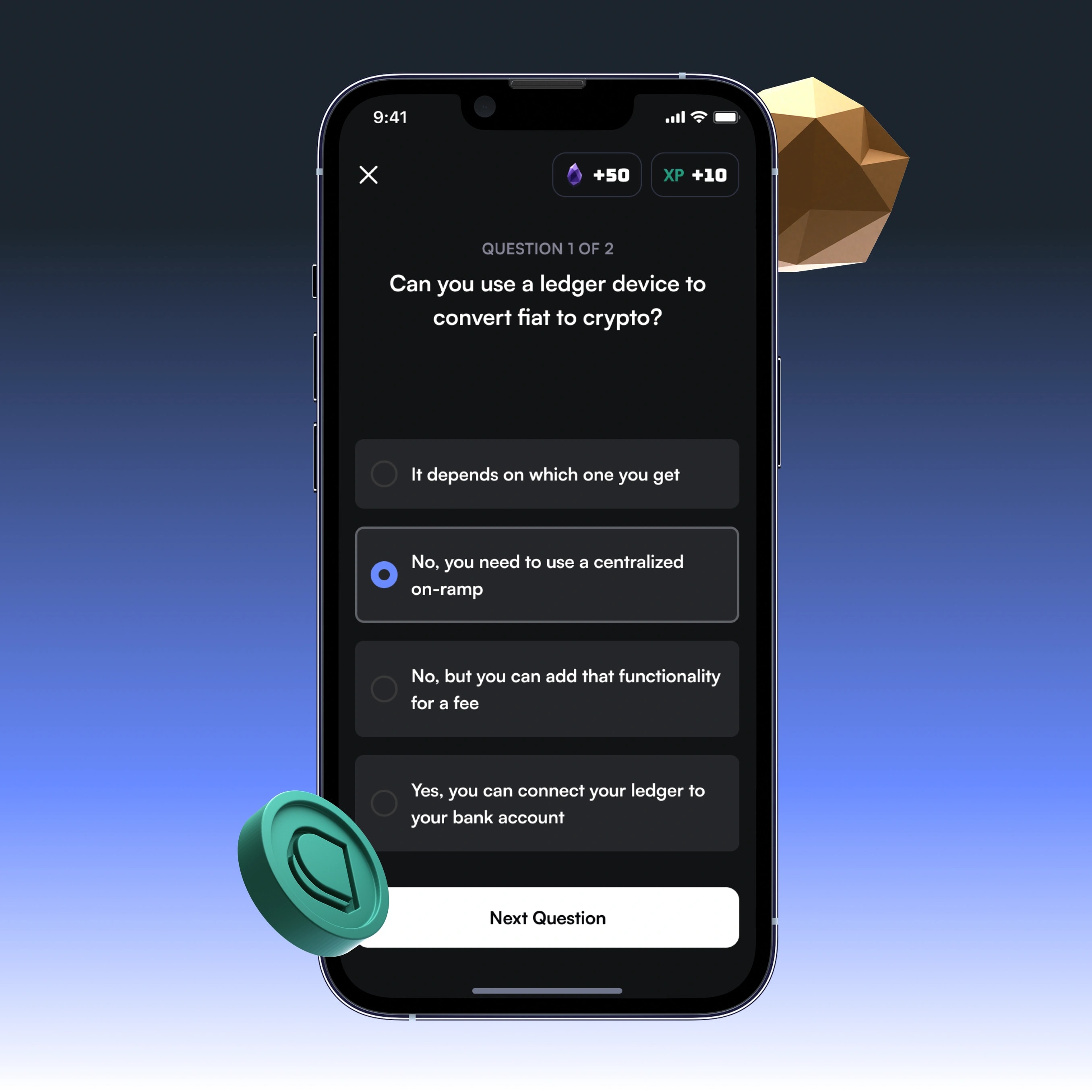
Progress states, streaks, ownership, and social proof were designed into the flow itself, not bolted on as badges at the end.
Average session duration rose 180% between v1 and v2. Retention, course-start conversion, and social sharing moved with it.
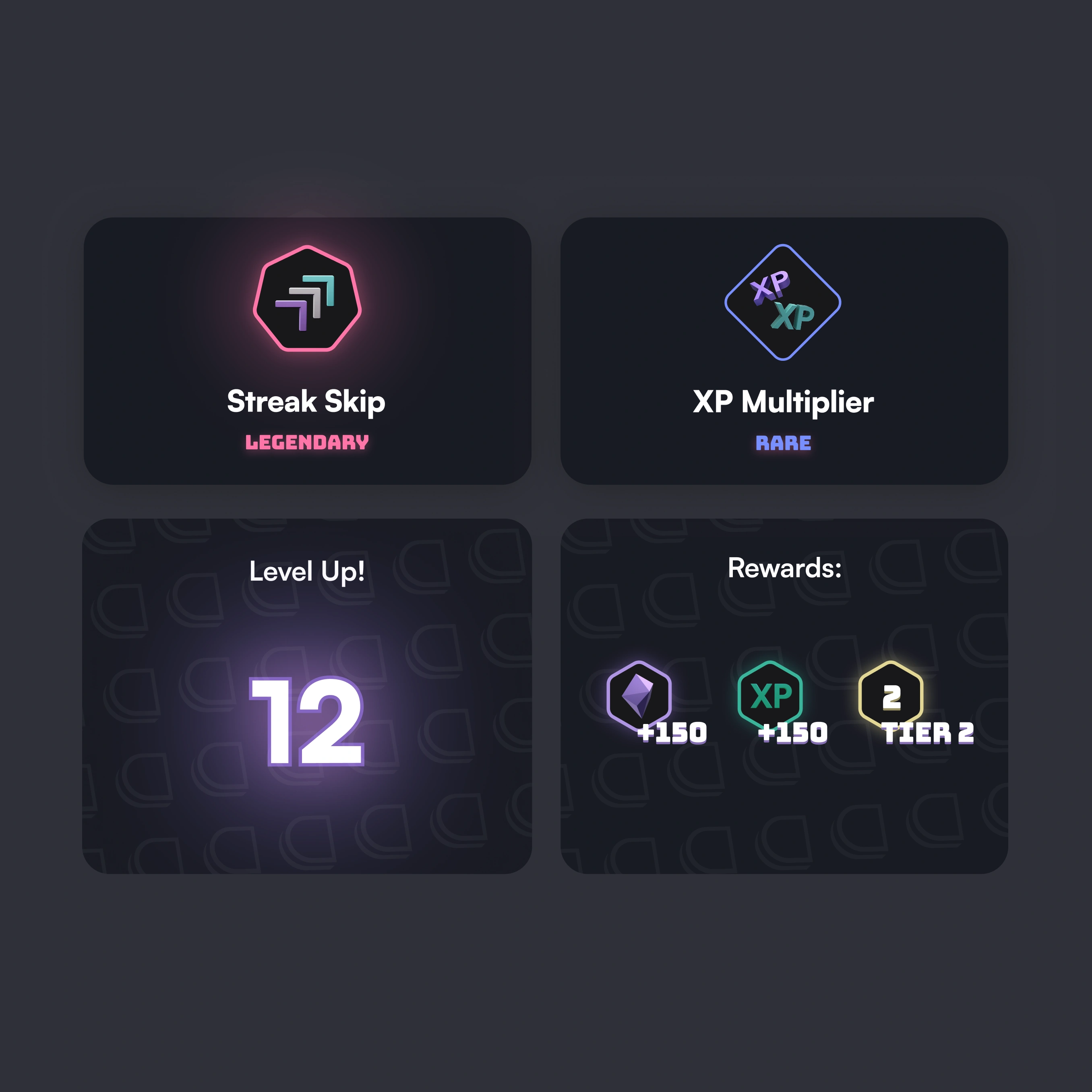
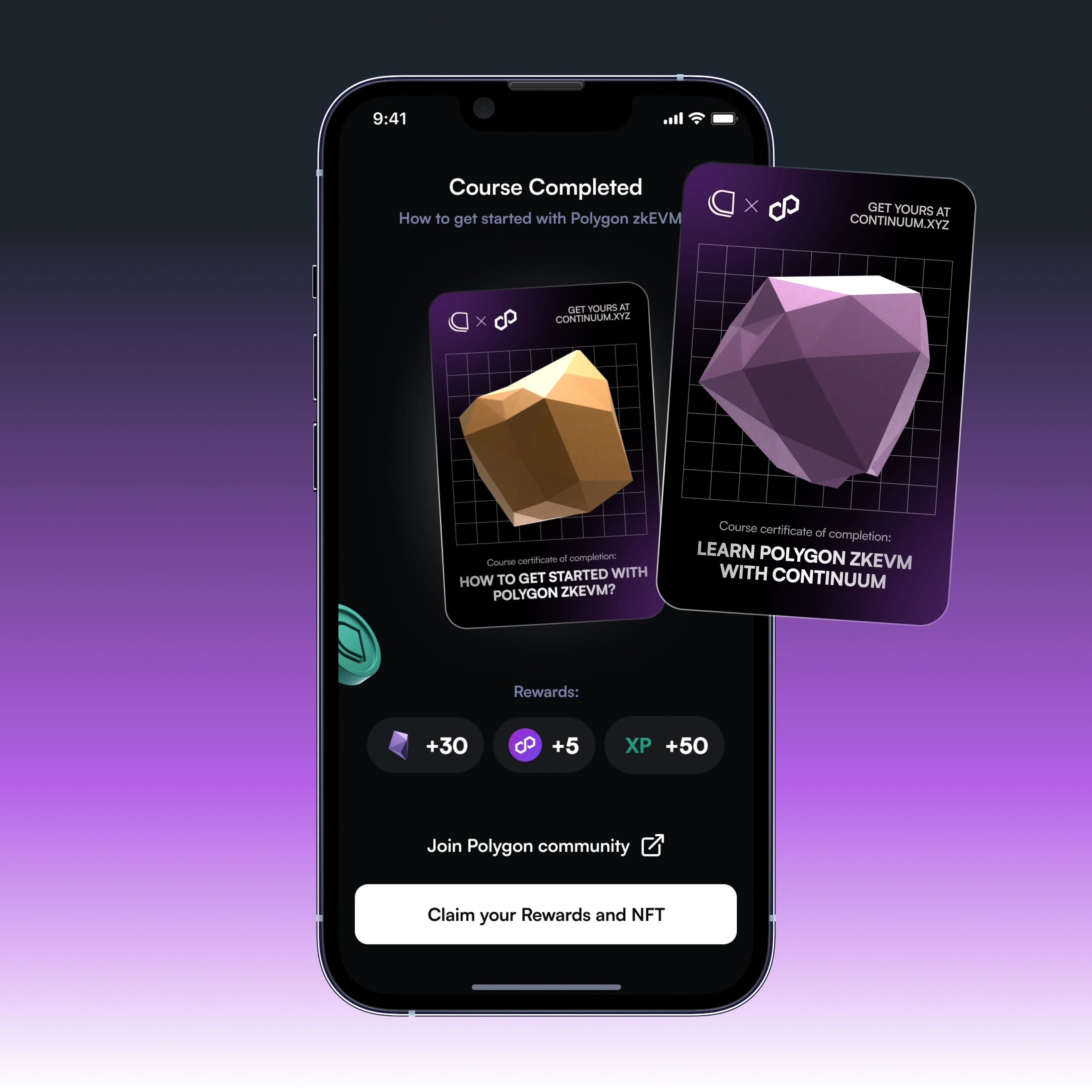
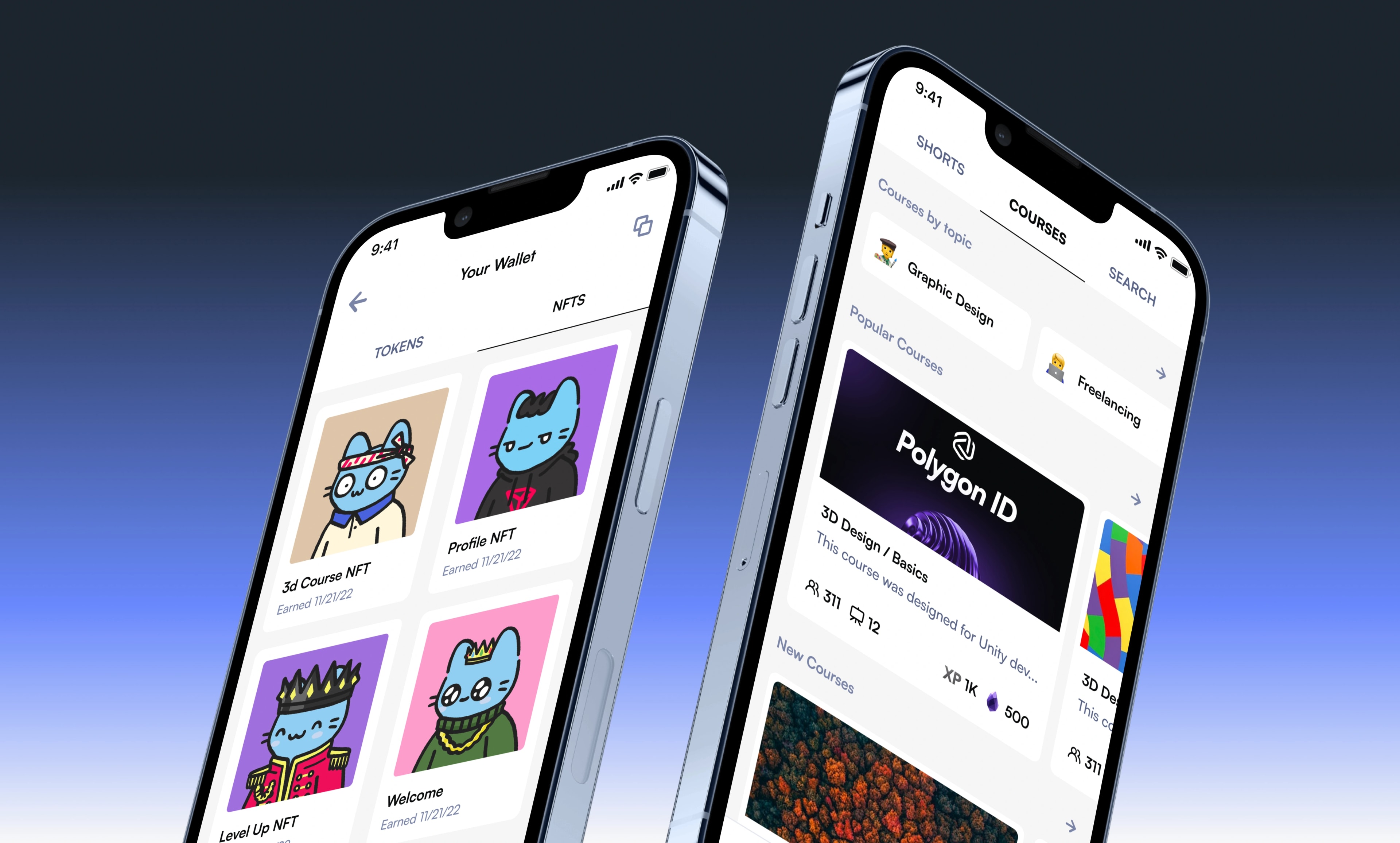
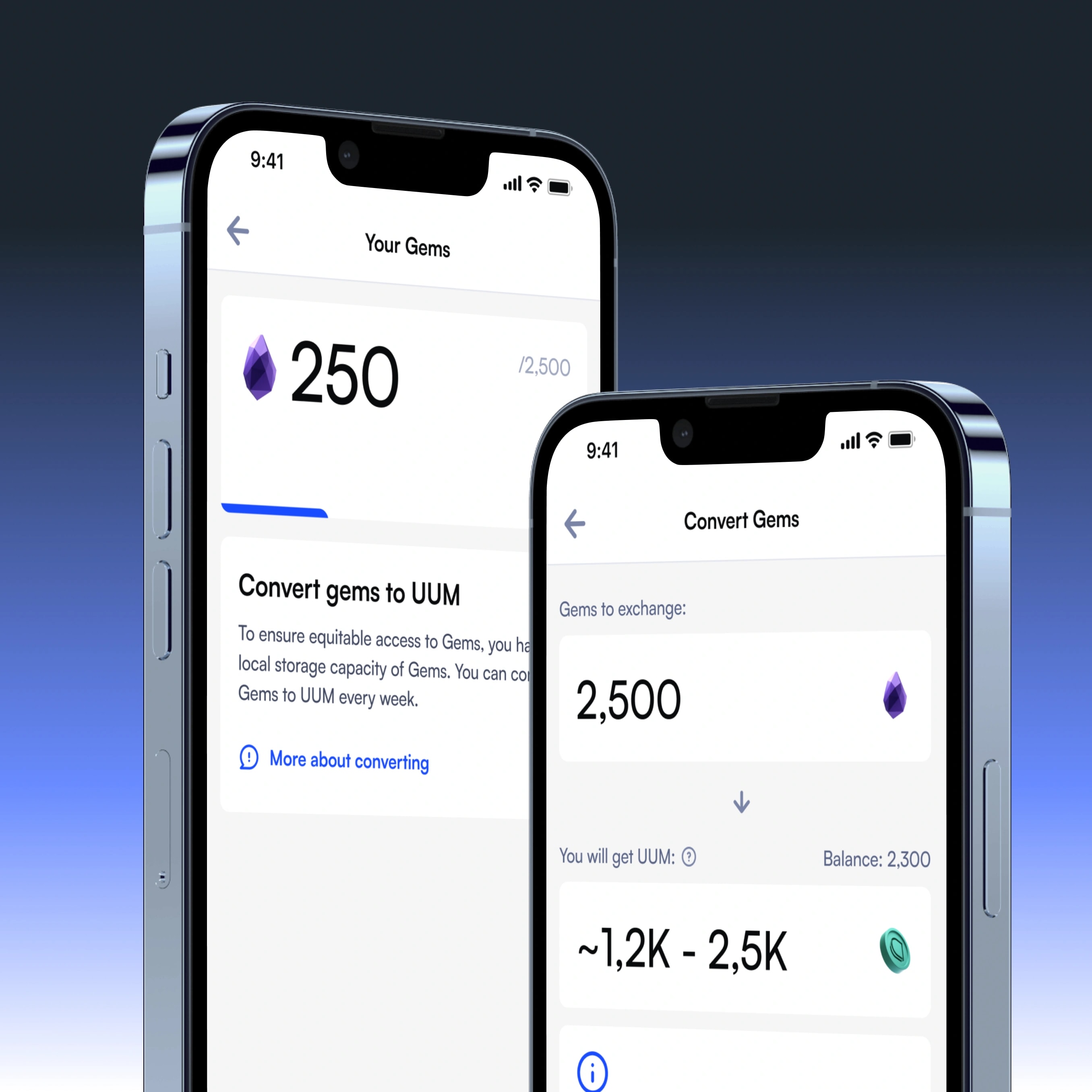
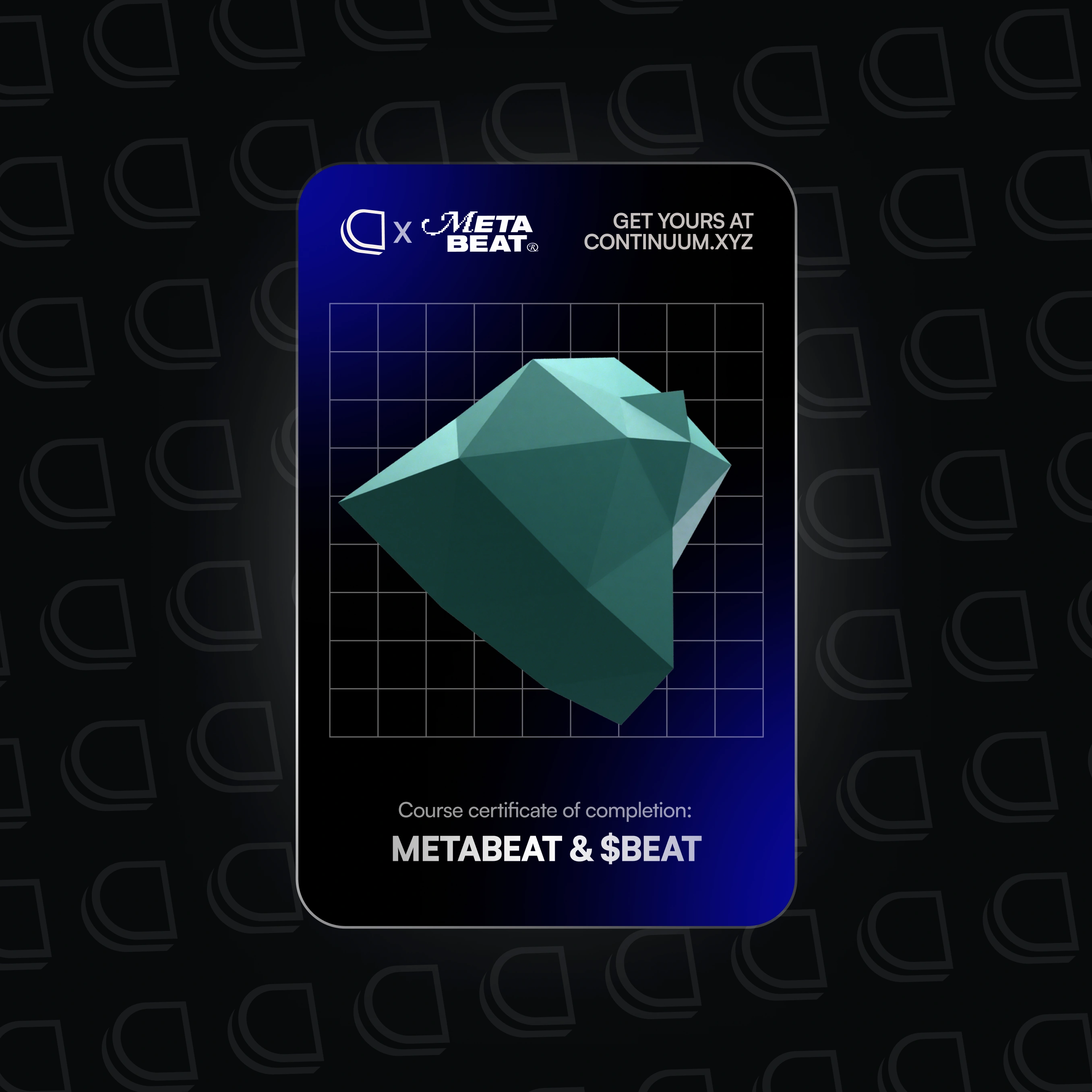
Tradable tokens gave the reward loop weight — real value, visible from the first screen. NFTs marked course completion, so what users walked away with was proof of skill they actually owned, not a certificate in a database.
The design challenge was balance: rewards prominent enough to pull people through the content, never loud enough to pull them around it.
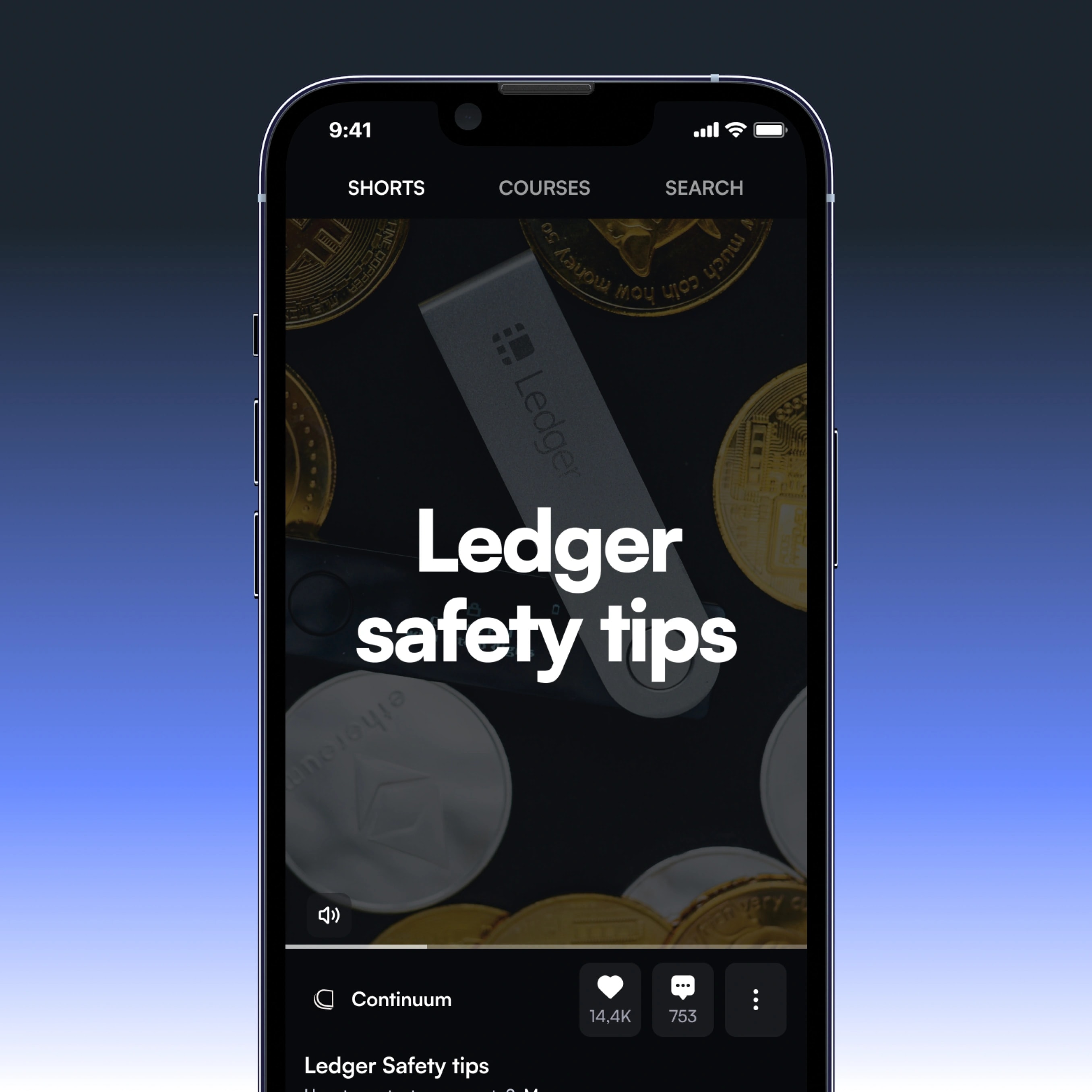
Short-form video in a vertical reel, quizzes between segments, and a feed that behaves the way this audience already expects a feed to behave.
No course catalogue, no syllabus, no login wall between a user and their first lesson.
Learning shaped like the apps they already open twenty times a day.
this in mind?
